Diamonds THCA Explained: The Science Behind the Sparkle
If you have spent any time around modern cannabis concentrates, you have probably heard the phrase “THCA diamonds” spoken with the same mixture of excitement and caution people reserve for things that look simple but are, in reality, the result of tight process control. Those little clear crystals, the “sparkle,” are not there by accident. They form because chemistry and temperature rules are obeyed very deliberately.
What matters is understanding what diamonds actually are, why they can look so pure, how they relate to THCA versus THC, and what practical differences show up once you buy diamonds THCA or handle them at home. This isn’t just marketing gloss. The sparkle has a source: a carefully built concentration of THCA, shaped into a crystalline structure that you can actually see.
And yes, people search for things like thca diamonds, thca liquid diamonds, diamonds thca, and best thca diamonds because they want a specific experience. The tricky part is that “diamonds” can be packaged and presented in several ways, with different textures, different terpene retention, and different expectations for how they should be used. Understanding the science helps diamonds thca online you avoid the common disappointment of buying the right name and getting the wrong kind of product.
What “THCA diamonds” are, in plain language
THCA stands for tetrahydrocannabinolic acid. It is one of the main cannabinoids produced by the cannabis plant. In the plant, THCA is naturally abundant, then it gradually converts to THC when exposed to heat, light, or time under certain conditions. That conversion is basically the reason THC is so active when you smoke or dab, while THCA is often discussed in the context of products that aim to minimize or control heating.
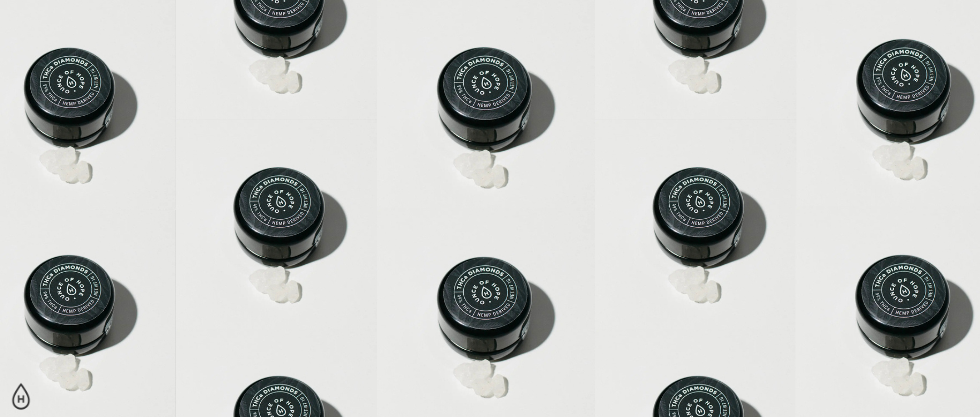
Diamonds are THCA crystals. They are the same cannabinoid family as THC, but they remain in an acid form until decarboxylation occurs. Visually, THCA in crystalline form can look glassy and transparent, with facets that catch light. That crystalline clarity is the reason the product has the word “diamond” in the first place, even though nothing about it resembles a gemstone in origin.
The key point: when you see “diamonds THCA,” you are usually looking at a high concentration of THCA solids that have been separated from other components. Those other components can include residual plant lipids, leftover solvents (ideally none), terpenes, and other cannabinoids.
“THCA diamonds” is a style. “THCA liquid diamonds” is typically a different presentation, where you get a more pourable concentrate with crystals suspended in a thicker liquid matrix. The exact formulation varies by manufacturer, but the idea is consistent: solids and liquids blended so the product behaves differently on contact with tools and heat.
Why crystals happen at all: the solubility and separation story
Crystals form when you create a situation where one component becomes much less soluble than others. In concentrate production, manufacturers typically start with a cannabis extract that contains a mixture of cannabinoids and plant compounds. Then they run a refinement step that encourages THCA to crystallize while other materials stay in solution.
At a high level, the process is about selective solubility:
- Dissolve the cannabinoids in a solvent under conditions where THCA stays dissolved.
- Reduce the solvent strength or change temperature so THCA becomes less soluble.
- Allow time for THCA molecules to align and grow into larger crystals rather than remaining as an amorphous “oil.”
That “time for growth” matters. Rapid precipitation can yield smaller particles that look cloudy or grainy. Slower, controlled growth often yields larger, clearer crystals that people associate with “good” diamonds.
Temperature is the lever. Lower temperatures generally favor crystallization for many systems, but not all suppliers use the same chemistry, and how long a system is held at a particular temperature influences crystal size and shape. The same is true for stirring and mixing. Too much agitation can break crystals or create new nucleation points, resulting in a different texture.
This is where the science starts to show up in what you actually hold in your hand. Two jars labeled “diamonds” can behave differently because the crystallization step was tuned differently.
THCA versus THC: the conversion you cannot ignore
THCA and THC are closely related, but they are not the same molecule. THCA includes a carboxylic acid group. When exposed to sufficient heat, that acid group can be removed (decarboxylation), converting THCA into THC.
Practically, that means the product experience depends heavily on temperature and exposure time.
- When THCA diamonds are heated enough for decarb, you get THC effects.
- When heating is minimal or brief, a higher share may remain as THCA and show different effects than a fully decarbed concentrate would.
The common consumer takeaway is that diamonds are often used in ways that eventually produce THC-like effects, especially with dabbing. But the actual potency and feel you experience depend on your setup and technique. Someone who uses diamonds as a cold mix ingredient or with minimal heat will have a different experience than someone who takes a hot nail dab and drives decarb hard in a fraction of a second.
This is also why “no heat” claims deserve skepticism. If a product is designed for ingestion, cooking, or inhalation, some conversion is either inevitable or purposefully engineered. The chemistry does not stop just because a label suggests a specific cannabinoid fraction.
What “purity” looks like, and why it can be misleading
People talk about THCA diamonds as if they are always a single pure compound, like a laboratory reagent. In real commercial products, the story is more nuanced.
Crystals can be high in THCA by weight, but the jar can still include:
- other cannabinoids in smaller amounts,
- residual lipids or plant fractions,
- and terpenes that were either retained deliberately for flavor or stripped for a more neutral profile.
High clarity and large crystal size can correlate with good separation, but they do not guarantee a specific percentage. A jar can look spectacular and still be heavy with something else that affects taste, burn behavior, or effect.
Another factor is how the material is handled after crystallization. Crystals are delicate. Moisture and temperature swings can change texture over time, potentially making diamonds look more opaque or less sparkly as they age. Storage conditions matter: light exposure, heat, and long storage can influence the final appearance and consistency.
If you have ever thought, “These diamonds look right, so they must be right,” you have already learned why the next step is reading details carefully. Look beyond the sparkle and check for consistency signals, lab reporting if available, and how the product performs in the way you intend to use it.
How terpenes and flavor change the experience
Terpenes are the aromatic molecules that contribute flavor and smell. When THCA diamonds are made with terpene retention, you may get a stronger aroma and richer taste when dabbed or vaporized. When terpenes are minimized, the product can be more neutral, sometimes sharper, sometimes almost bland.
Here is the practical trade-off I see most often in day-to-day use:
- Terpene-rich diamonds can be more flavorful, but their flavor can also make the product feel “louder” and more sensitive to heating.
- More stripped or terpene-light diamonds can feel more consistent on a repeatable technique, but the experience may be less expressive.
If you are buying thca diamonds for sale online and planning to use them with a specific flavor preference, ask yourself what you actually want out of the jar. Some people chase the clean crystal hit. Others want the aromatic carry. Both can be valid, but they are not the same product in practice.
This is also where thca liquid diamonds can stand out. Liquid presentations often keep some dissolved fraction that carries aroma and makes the concentrate easier to mix. Crystals that are suspended in a thicker matrix can distribute heat differently, sometimes changing how quickly the material melts and how it releases flavor.
Using diamonds: technique changes everything
Most people end up using diamonds THCA in a dab or vapor context, because crystals melt well and can deliver concentrated cannabinoid content quickly. But technique still controls the outcome more than people realize.
If you dab diamonds on a very hot surface, you may drive rapid decarboxylation. If you dab at a lower surface temperature or use shorter contact time, you may preserve more of the THCA fraction. Realistically, most consumers will eventually convert a large portion to THC because the heating is unavoidable. Still, the conversion depth and the byproducts can differ with temperature.
Tool choice also matters:
- A hot banger can create quick vaporization.
- A quartz setup generally handles heat differently than some ceramic surfaces.
- Carb caps can change airflow and heat distribution, altering the melt and vapor density.
I do not want to overpromise precision, because real-world conditions vary: ambient temperature, cleaning status, and how much concentrate you load all shift the result. But the direction is reliable. Heating style changes what you experience, and diamonds are especially responsive because they behave like a crystalline solid that melts at a defined temperature range.
If you are trying to blend diamonds into something else, like a sauce or a thicker concentrate, the “liquid diamonds” style can be easier to work with than pure, dry crystals. If you are buying thca diamonds near me, this is often the practical differentiator people notice first: not the lab numbers, but how the jar behaves on a tool.
The difference between “diamonds” and “liquid diamonds”
Let’s talk about the names, because they confuse people and cause returns.
“Diamonds” usually implies the crystalline component is the dominant physical form. You might have a jar of mostly solids, with a small amount of terpene-rich sauce or residue. In many cases, the crystals are embedded in a thin matrix, but the crystals remain the main feature.
“THCA liquid diamonds” typically means you get a product that is more pourable, with crystals suspended rather than sitting as a dry block. The liquid phase can make the material more forgiving to handle. It also changes how heat hits the product. Instead of melting crystals all at once, you get crystals dispersed in a medium that can wet the surfaces, which can affect vaporization rate and flavor release.
None of this changes the underlying cannabinoid chemistry. THCA is still THCA until heated. What changes is the physical pathway of heating and mixing.
If your goal is consistency and easy handling, liquid versions can be practical. If your goal is maximum visual sparkle and a more “direct crystal” experience, traditional diamonds are the look you are paying for.
What to look for when shopping (and what to avoid)
Shopping for diamonds thca or searching for thca diamonds for sale online is where reality gets messy. Online listings can be more marketing than measurement, and “best thca diamonds” can mean “best photos,” not necessarily “best product for your use.”
There are a few signals that help, based on how concentrates tend to behave in the real world.
First, appearance alone is not enough. You want to see crystals that are coherent and consistent rather than a mixture that looks smeared or separated in a way that suggests poor processing or harsh handling. Second, smell matters, but only within reason. Some diamonds are intentionally low in terpene content, so lack of aroma is not automatically a red flag. What is a red flag is an abnormal chemical smell that does not match typical terpene profiles.
Third, consider storage and shipping conditions. Crystals do not like heat. If a product arrived warm and was then stored poorly, you might see changes in clarity and texture. Those changes can affect your melt behavior and overall enjoyment.
Finally, if a seller provides lab testing, look for cannabinoid breakdown and any relevant contaminant screens. I cannot help you interpret every lab format, but I can tell you that a real lab sheet is more informative than a slogan.
Here are a few concrete questions that tend to separate the “it looks great” listings from the ones that perform:
- Do they specify the product style clearly (diamonds versus liquid diamonds), and does the texture match the description?
- Is there available lab testing that shows cannabinoid content and other screens?
- Does the seller explain whether the product is terpene-rich, terpene-neutral, or intentionally stripped?
- How do customers describe melt behavior and consistency across multiple days?
- What is their policy if the product arrives altered, especially if it arrived warm?
If you are searching thca diamonds for sale, these questions can sound like extra work, but they save time in the long run. The easiest way to lose money on diamonds is to buy based on appearance and ignore the physical behavior that determines how it works for your setup.
A short note on “near me” and expectations in local markets
When people look for thca diamonds near me, they often want fast access and the ability to see the product before purchasing. That can be a real advantage because you can verify texture and smell.
But local availability comes with its own trade-offs. Some shops cycle stock quickly. Others keep concentrates in display conditions that may be warmer or brighter than ideal. Even when a shop is careful, products travel from producer to distributor to store.
So, if you pick up diamonds locally, check the jar condition immediately. If the jar is hot to the touch in-store, that is useful information. If the crystals look drastically different from what you expected, ask whether they have recently arrived and how they store them. You do not need to be confrontational, a simple question often gets a direct answer.
How manufacturers actually tune crystal quality
You will not usually get a full process disclosure, and that is normal. Still, the quality differences you see in products come from repeatable levers in the manufacturing workflow.
Crystal size, clarity, and consistency are influenced by:
- how the extract is purified before crystallization,
- how the solution is brought into the crystallization window,
- and how long the system is held to grow crystals.
After crystallization, washing and drying are huge. Washing can remove lingering impurities trapped near the crystal surface. Drying affects how the crystals behave after packaging. Too much residue can make diamonds look cloudy or sticky. Too aggressive a handling step can damage crystals, leaving you with smaller particles and less of that clean sparkle.
Then there is the “finishing” step, where terpenes might be added back or the product might be left more neutral. If you have ever used two jars side by side and noticed one melts with almost no aroma while the other blooms strongly, that difference often comes down to this finishing stage.
This is why diamonds thca can feel very different even across products marketed with the same general name.
Practical storage tips that actually matter
Crystals are stable for many products, but they still respond to environment. If you want the most consistent performance from diamonds for sale online purchases, store them like they deserve respect.
A few storage habits help maintain texture and reduce changes in appearance:
- keep the jar closed tightly to limit moisture and airflow,
- avoid heat sources and direct sunlight,
- and let the product come to room temperature before you scrape or melt it, instead of forcing cold crystals into a hot tool.
If crystals are too cold, they can be harder to handle and may chip or powder unexpectedly. If they are too warm, they can look more opaque and may feel softer than you remember. The goal is predictable behavior, not perfection.
What “best” really means for different people
The phrase best thca diamonds is tempting, but it tends to flatten real preferences into one score. In practice, “best” depends on what you thca diamonds for sale online care about: potency, flavor, texture, melt speed, or the way the product works with your specific device.
Some people love diamonds because they get a clean visual, easy loading, and a concentrated hit. Others prefer thca liquid diamonds because they mix more smoothly and can be easier to dose precisely if you use a tool that benefits from a flowable consistency.
If you care about flavor, you will likely prefer a terpene-forward product, even if it is slightly less “crystal pure.” If you care about repeatable behavior, a more neutral and consistent texture can be more important than aroma.
Here is the practical truth I have seen again and again: a “best” jar is the one that matches your routine.
Safety and compliance, kept real
I am not able to advise on the legal status of THCA diamonds in your jurisdiction, and the rules can vary widely. If you are buying thca diamonds for sale online or from a local store, make sure the retailer is operating within applicable laws where you live.
On the safety side, concentrate handling still matters. Use clean tools, keep product away from kids and pets, and avoid unnecessary heating during handling. If you make any kind of homemade mixing, remember that adding ingredients changes heat exposure and could increase conversion beyond what you expect.
Also, be honest about tolerance. Diamonds are concentrated, and even when THCA is the dominant cannabinoid, heating typically turns much of it into THC. If you are sensitive, start with a cautious amount and use your setup carefully.
Getting the sparkle you expect, without chasing hype
Diamonds THCA are popular for a reason. Crystalline THCA looks distinct, it tends to load easily, and it offers a way to experience concentrates with a specific physical character. But that sparkle is not a promise by itself. It is the result of a process, and processes vary. So do the ways people use the product.
If you want to buy diamonds thca with fewer surprises, focus on product style clarity (diamonds versus liquid diamonds), look for consistent texture and credible testing where available, and pay attention to how it performs with your technique. The science explains how the crystals form. Your routine determines how they deliver.
Once you line up those pieces, the “sparkle” stops being just a cool label and becomes a predictable part of your concentrate experience.